





· Otekhnòtshera Ratirihwisaks Etho:onhwentsyáke (OTEKH) – In the Mohawk language, OTEKH names us as researchers working on the land, engaging and/or creating new technologies, in continuity with Haudenosaunee core teachings and worldviews. OTEKH supports interdisciplinary research-creation grounded in Indigenous cultural knowledge, expressed through artistic studio praxis with projects that involve advanced computational processes and technological systems. Grounded in Indigenous methodologies, the lab centres relationality, storytelling, and land-based practice as core ways of working, while operating as a site for Indigenous-directed research and sustained creative collaboration.
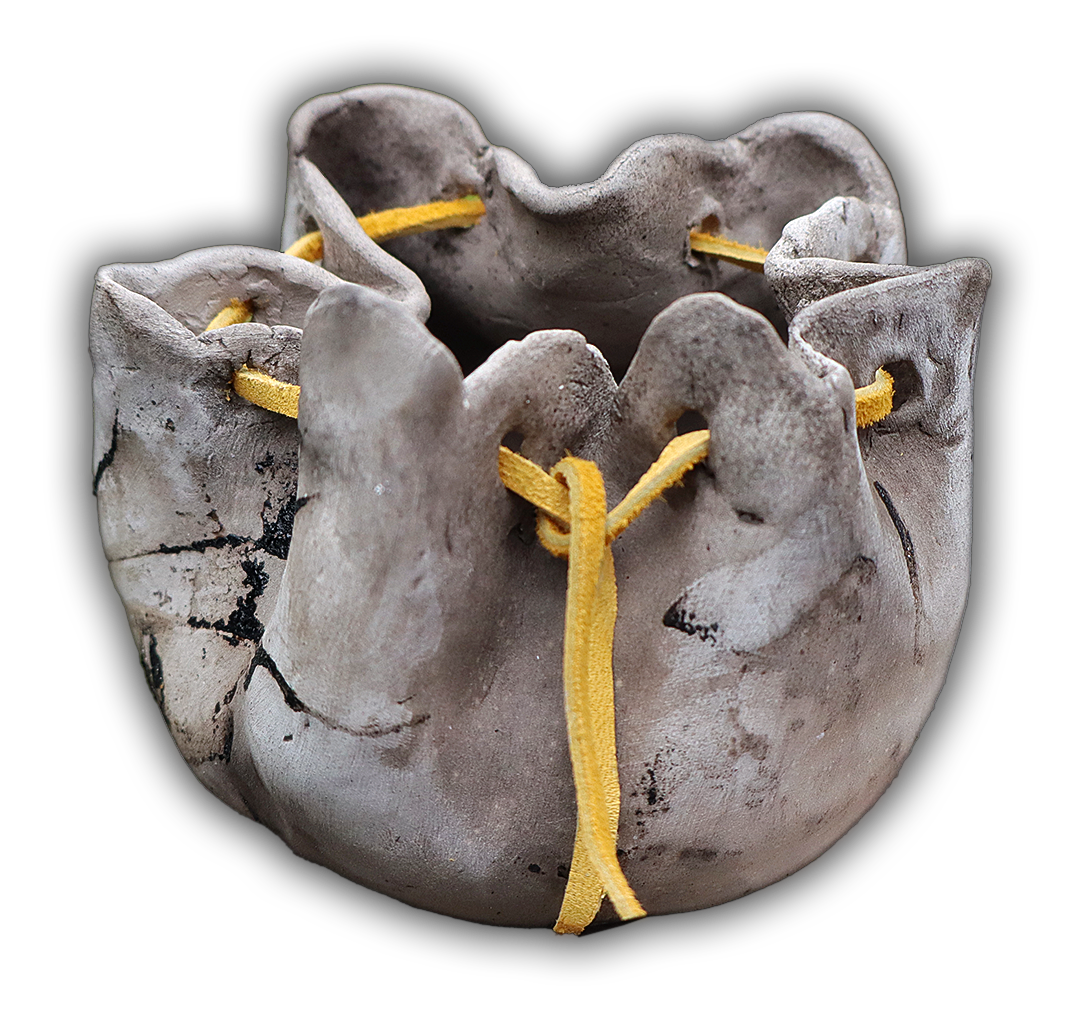
IMAGE (Small) Artist: Terri Fisher
Ceramics Pit Fired Vessel / from Landmarks Projects 2025
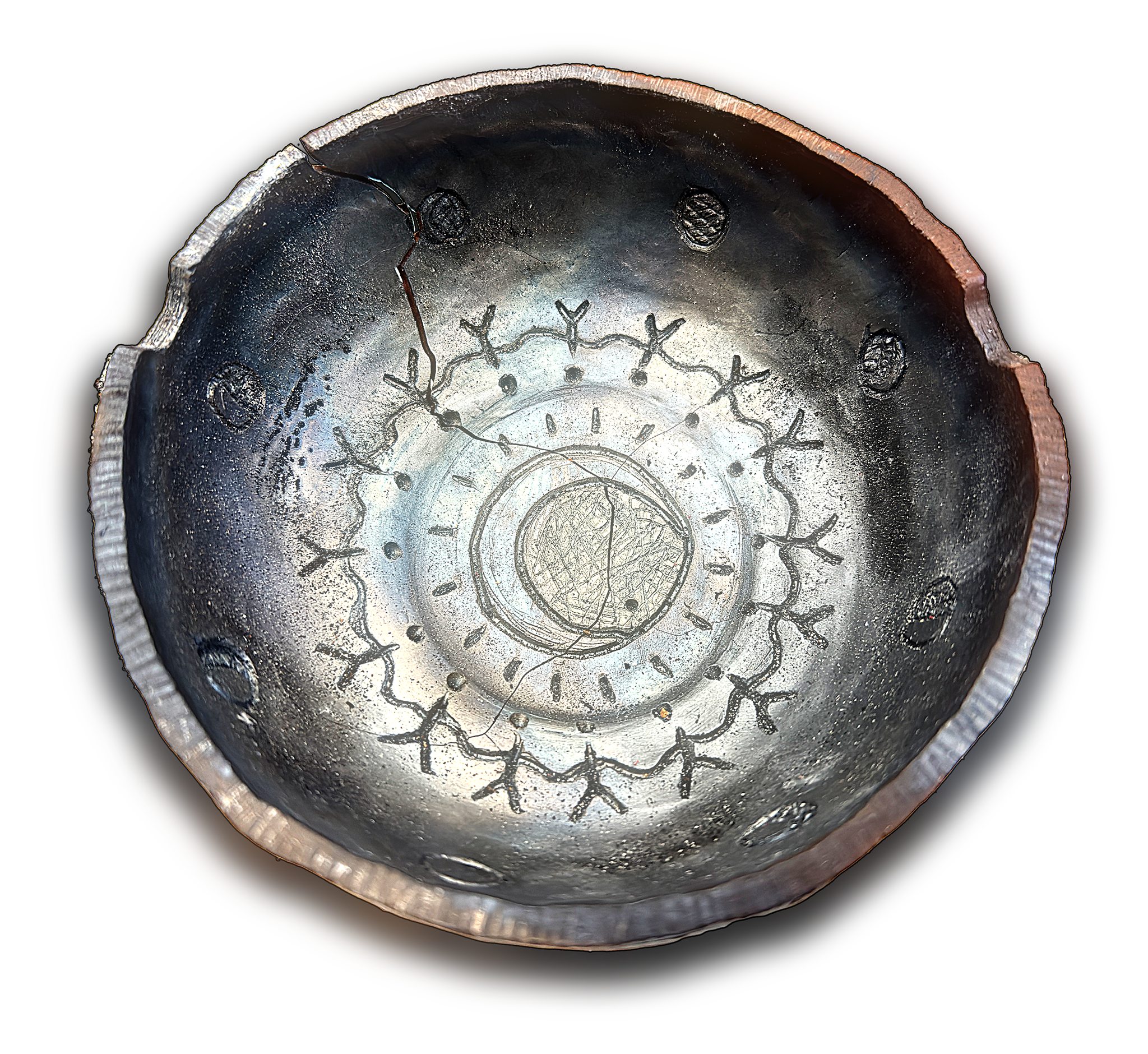
IMAGE (Main) Artist: Finn Wagner
Ceramics Pit Fired Vessel / from Landmarks Projects 2025
Research-Creation Studio
OTEKH is a research-creation environment that develops site-responsive media installations, immersive and extended reality environments, and audio and audiovisual projects, while integrating research praxis focused on developing relational, land-based AI ecologies. The studio supports initiatives in language revitalization, digital archiving, and Indigenous data systems, developed alongside artistic and computational research. Projects unfold through interdisciplinary collaboration with allied researchers and technologists, in ongoing relationship with Indigenous communities in the region and through connections to international research initiatives. We are primarily situated within the Dish with One Spoon region and acknowledge the original caretakers of this territory, with our work conducted in relation to Haudenosaunee teachings, including the Great Law (Kaianere’kó:wa) and the teachings of the Good Mind (Kanikonriio).
Interdisciplinary, Hybrid Labs
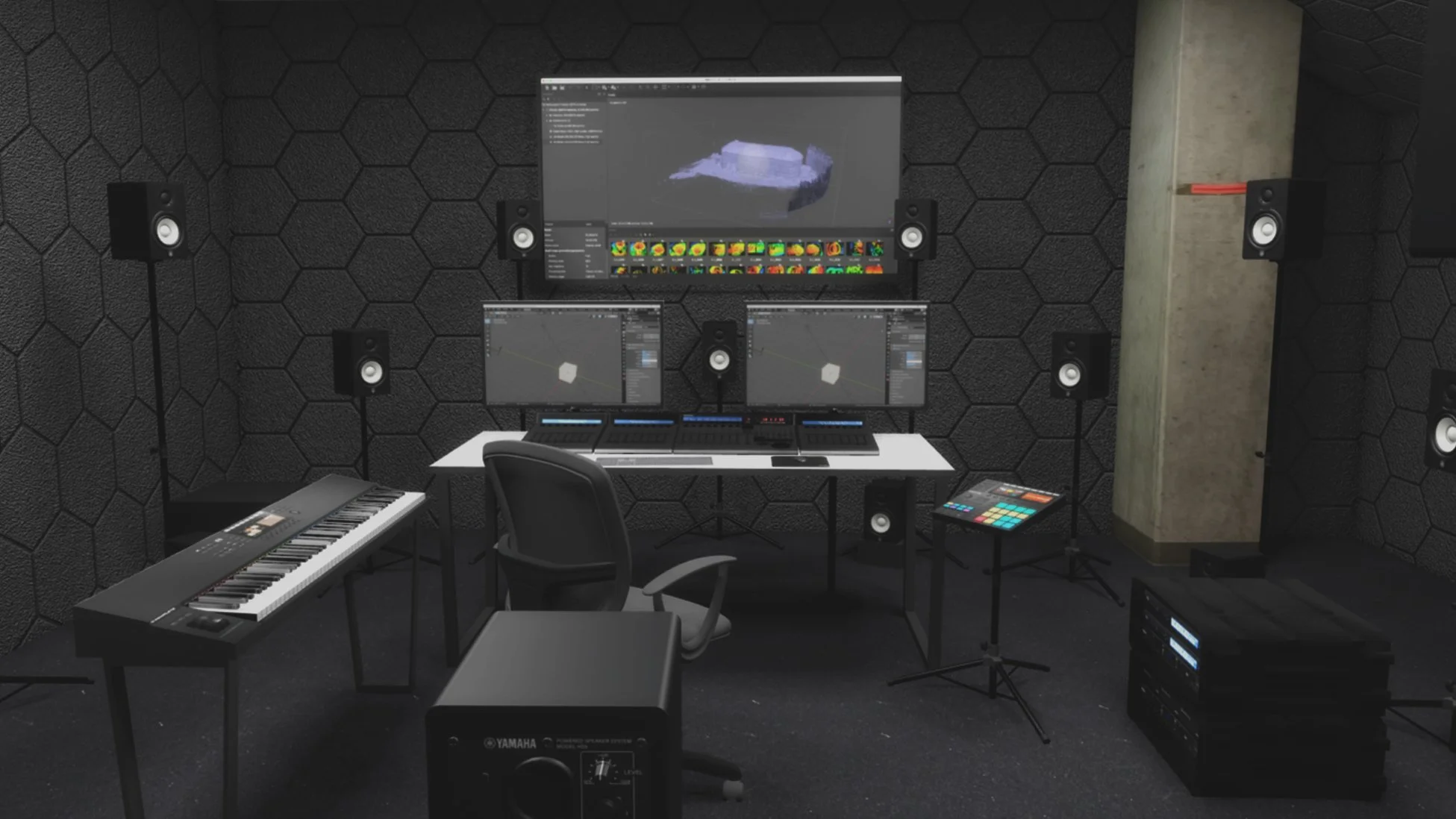
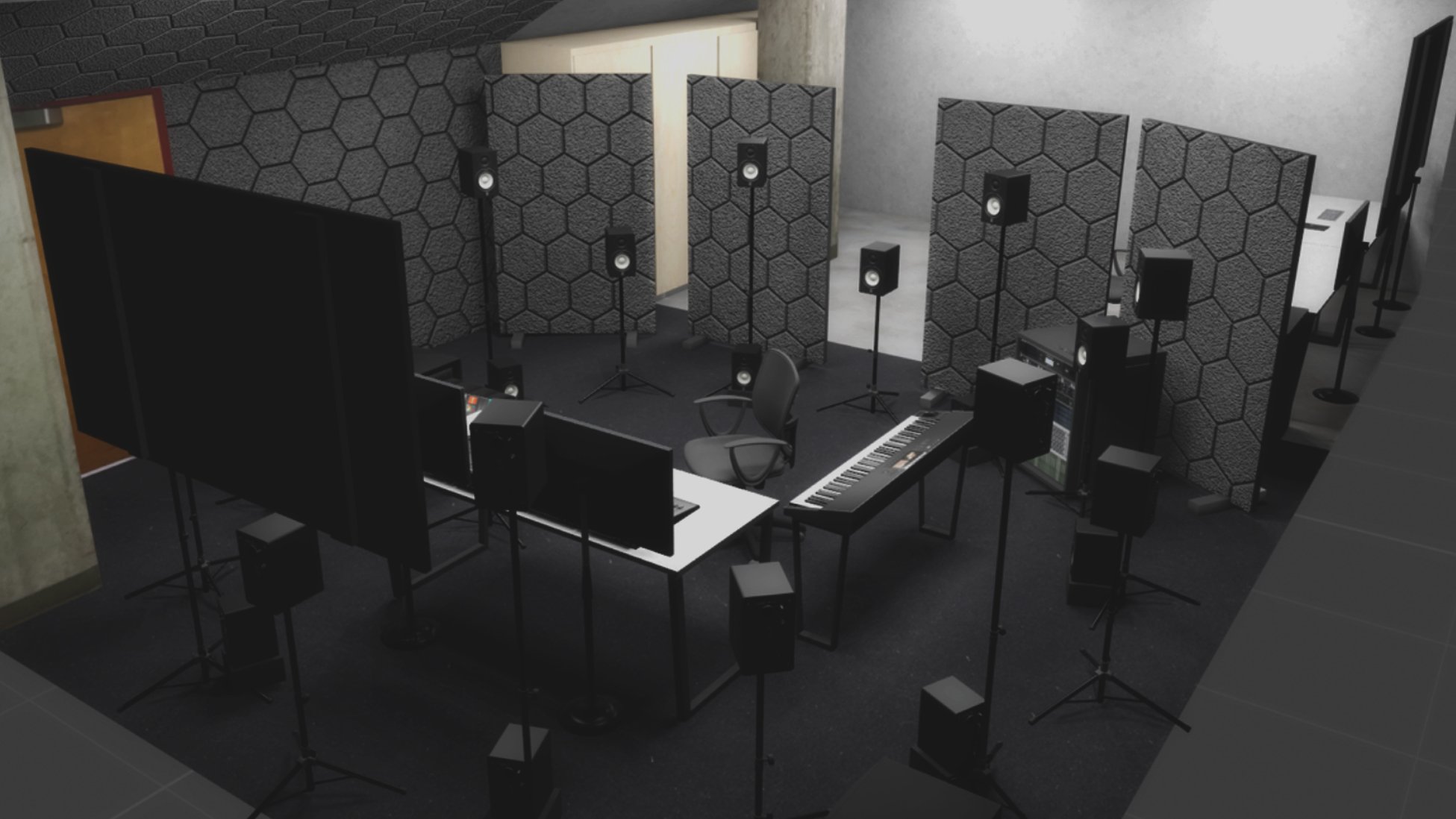
OTEKH operates across multiple labs and workspaces at Western University and within the wider community, with dedicated facilities in the Departments of Visual Arts and Indigenous Studies. Work in these labs takes place in close collaboration with the Wampum Learning Lodge and a range of community organizations throughout the region, ensuring that research-creation is guided by Indigenous communities and priorities. These settings support artistic production, student training, public engagement, and knowledge sharing, providing access to tools and resources needed for work across media arts, computation, and emerging technologies. The labs also play an important role in mentoring emerging Indigenous researchers and creators, offering spaces where technical skills can be developed alongside Indigenous traditions, teachings, and cultural values. Our labs are currently undergoing renovations. Images here are concept sketches. Expected completion, May 2026.
· Digital Media Arts Production – Supporting artists in creating large and small scale installations, site-specific artworks and immersive digital media projects.
· Ambisonics and Multichannel Audio – To create spatialized soundscapes and immersive audio experiences to help support artistic projects and a range of storytelling approaches.
· 3D Scanning and Modeling – Supporting projects with advanced LIDAR and Photogrammetry scanning, along with a variety of approaches to 3D asset creation and modeling.
· Video Production, VFX, and Virtual Reality (VR, XR and MR) – Developing new cinematic and interactive media experiences that push the boundaries of immersive digital storytelling.
· Data Visualization – Translating complex datasets into visual narratives that can suit a range of perspectives, disciplines and knowledge systems.
· Environmental Sensing & Creative Systems – Building tools that monitor real-time environmental conditions and transform sensor data into dynamic elements within artistic and site-responsive works.
· Building Land-Based AI Systems – Designing AI systems grounded in Indigenous worldviews and deeply connected to place. These systems operate within larger ecologies of land, language, story, and kinship—where technology is not separate from the world, but in relationship with it. By integrating environmental data, cultural knowledge, and embodied practices, land-based AI reimagines intelligence as relational, responsive, and rooted in the living systems that sustain us.

Our Communities
OTEKH’s work is grounded in community practice shaped through long-term relationships, shared responsibility, and collaborative making. Projects are developed in close connection with Indigenous communities in the region, including sustained partnerships with Thru the Red Door and 2RO Media, alongside collaborations with artists, knowledge-holders, educators, and organizations across Six Nations of the Grand River and beyond. These relationships inform how projects are initiated, developed, and shared, situating research-creation within ongoing community contexts.
Community practice at OTEKH also extends through national and international research networks, including participation in Abundant Intelligences, where Indigenous-led approaches to computation, media, and knowledge systems are developed in dialogue with other Indigenous research environments. Through these connections, OTEKH supports knowledge exchange, inter-community collaboration, and shared research trajectories that link local practice with broader Indigenous-led research initiatives.
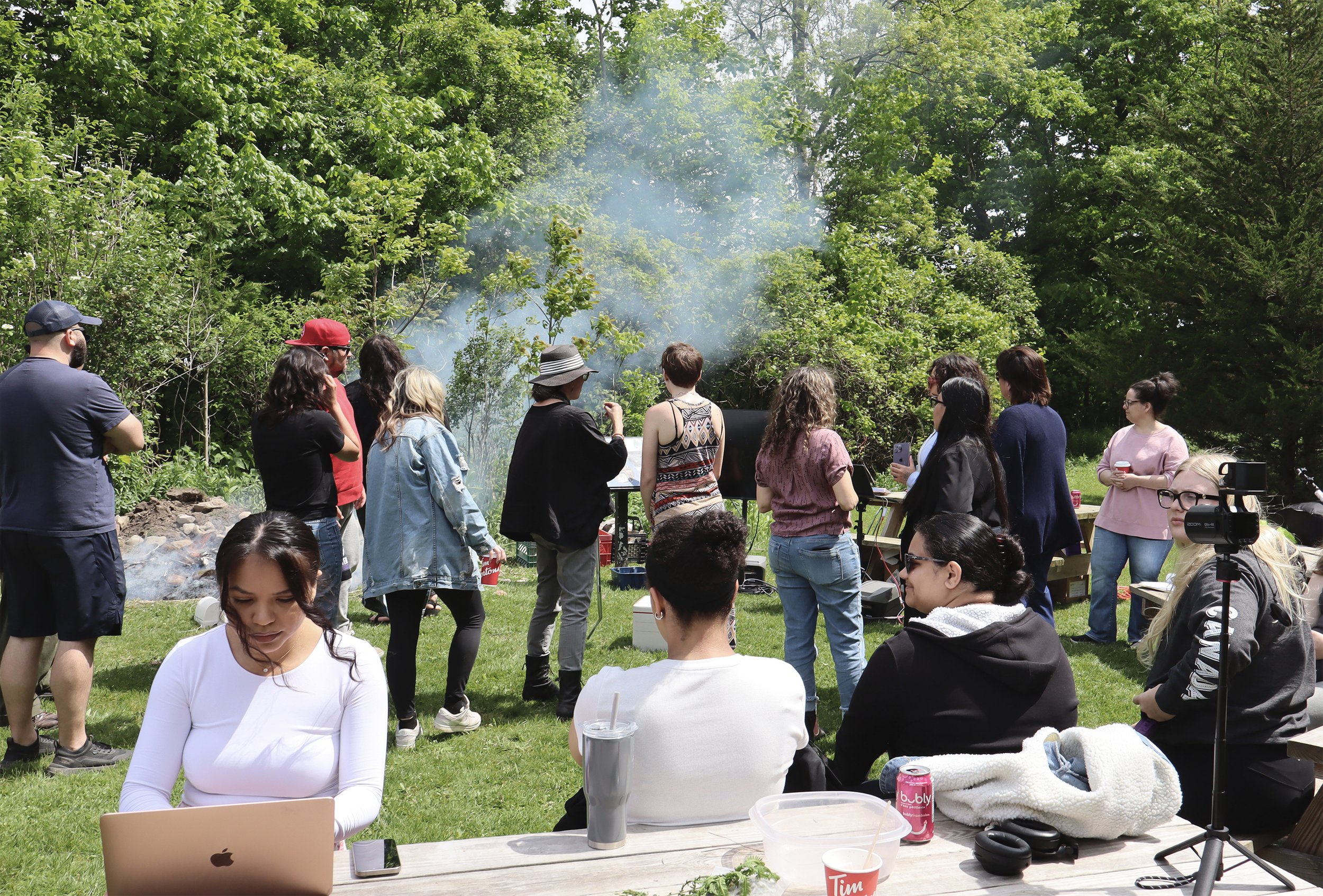
Image (above) Various Artists and Community Members participating in a Pit Fire at the Museum of Ontario Archaeology (the Lawson Site) as part of
Landmarks Projects 2025
CONTACT:
Main Office
VAC 242 (the Crows Nest)
Western University Campus
Hours
Monday–Thursday
10am–3pm
OUR TEAM
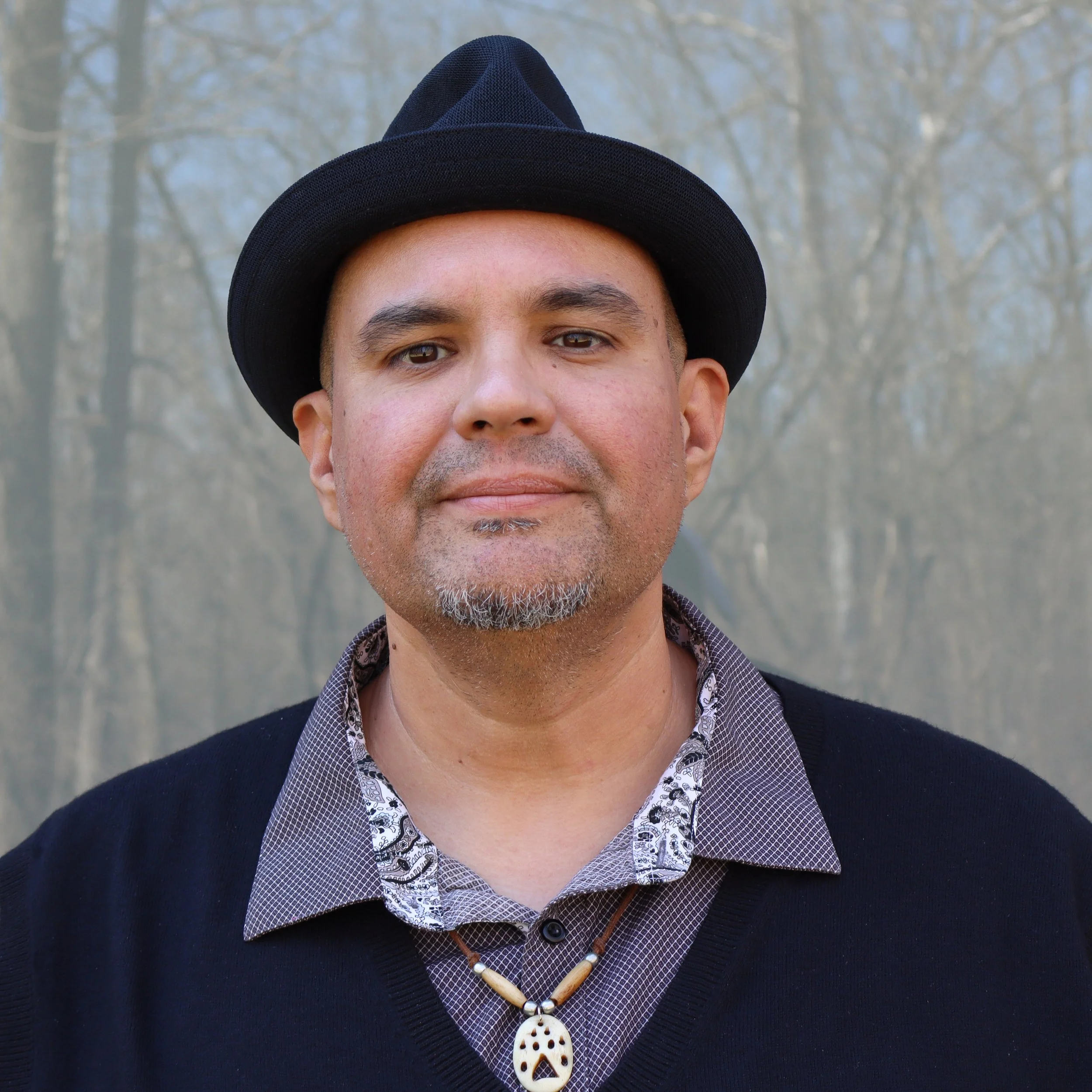
Jackson Leween, Two Bears, Ph.D. (Director)
Tékeniyáhsen Ohkwá:ri (Jackson 2bears) is a Kanien’kehà:ka (Mohawk) artist and cultural theorist from Six Nations of the Grand River and Tyendinaga. 2bears’ research-creation activities focus on Indigenous land-based histories and embodied cultural knowledge, wherein they explore the creative use of digital technologies as a means to support the innovation, transmission, expression, and transformation of FNMI creative and cultural practices in the context of our current digital epoch. 2bears is currently Associate Professor of Art Studio and Indigenous Studies, Canada Research Chair (Tier 1) in Indigenous Arts Research & Technology, and Director of OTEKH labs at Western University. www.jackson2bears.net
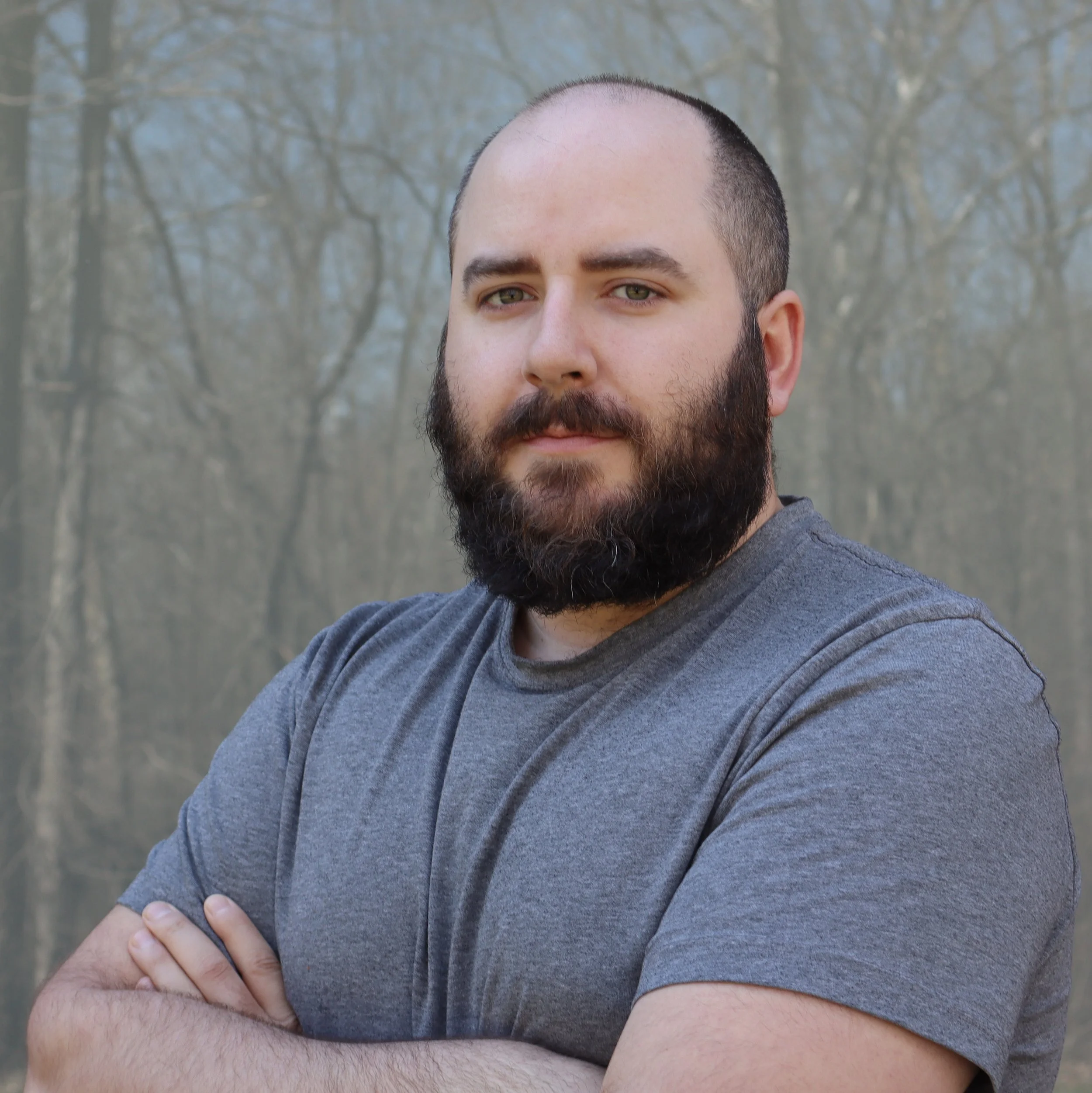
Micheal Ziegler, Ph.D. (Co-Director)
Micheal Ziegler is an Abundant Intelligences Post-Doctoral Fellow and a Post-Doctoral Associate at Western University in the Visual Arts department. He is Canadian with mixed ancestry: French, English, German and Hungarian. Micheal received his PhD in Political Science from the University of Victoria in 2024. Micheal’s research interests are the history of political thought, de-colonization, artificial intelligence (AI), media and communication studies, and ethics. In his research, Micheal aims to understand how technology impacts socio-political realities. Currently, he is interested in understanding AI and politics through harm reduction, decolonial epistemologies and respecting Indigenous Knowledge systems.
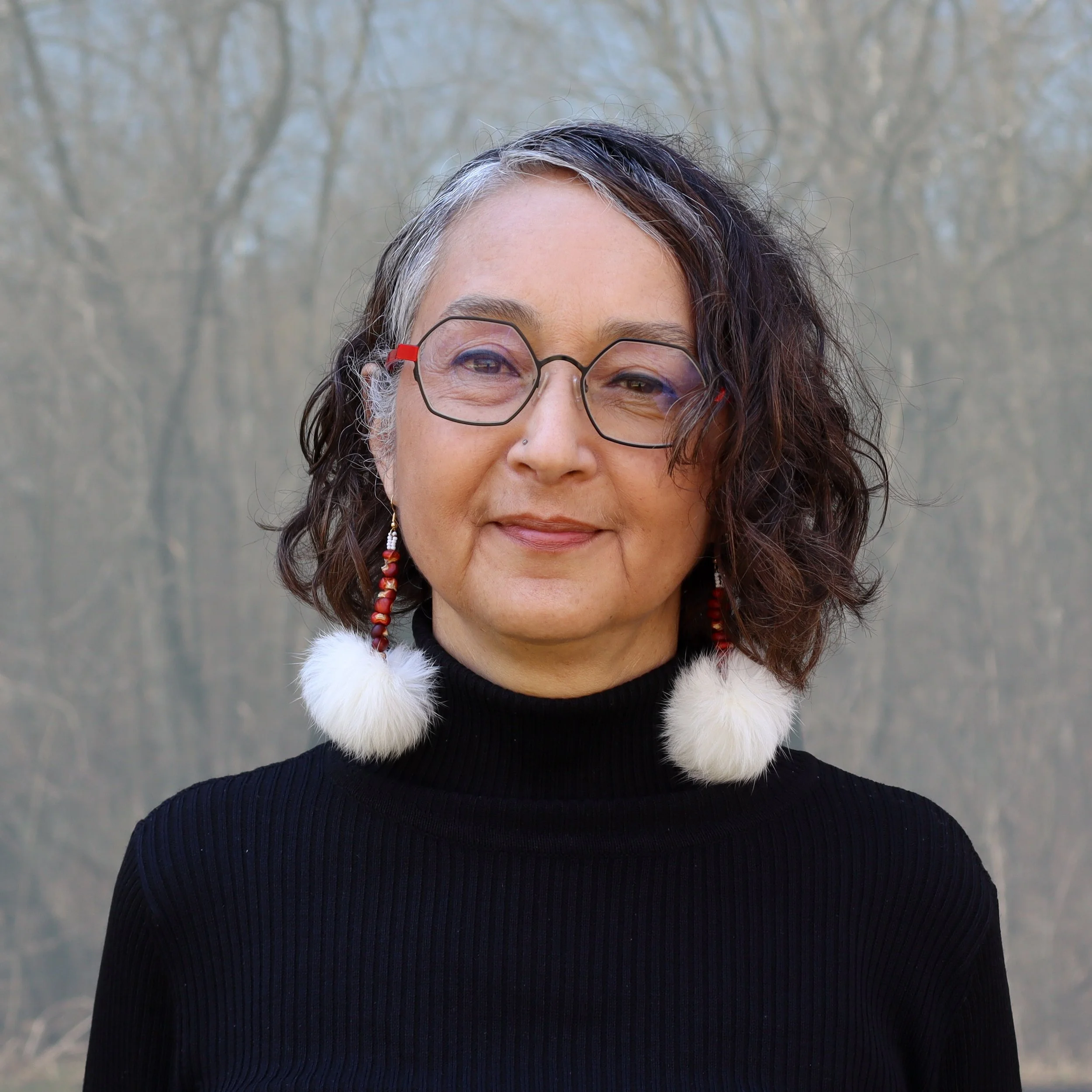
Kelly Greene (Lab Coordinator/ Researcher)
Kelly Greene is a multi-disciplinary artist of mixed ancestry that includes Kanien’kehá:ka (Mohawk) and Onenio’te’á:ka (Oneida) from Six Nations of the Grand River as well as Sicilian/American heritage. Her art practice includes installation, painting, sculpture, and photo montage. Kelly has lived in London, Ontario since 1989, where she obtained a BFA from Western University after beginning her visual art studies at the University of New Mexico in Albuquerque. She has exhibited in Canada and the United States for over thirty years. Her art focuses on environmental concerns, Haudenosaunee teachings and histories, and auto-biographical topics.
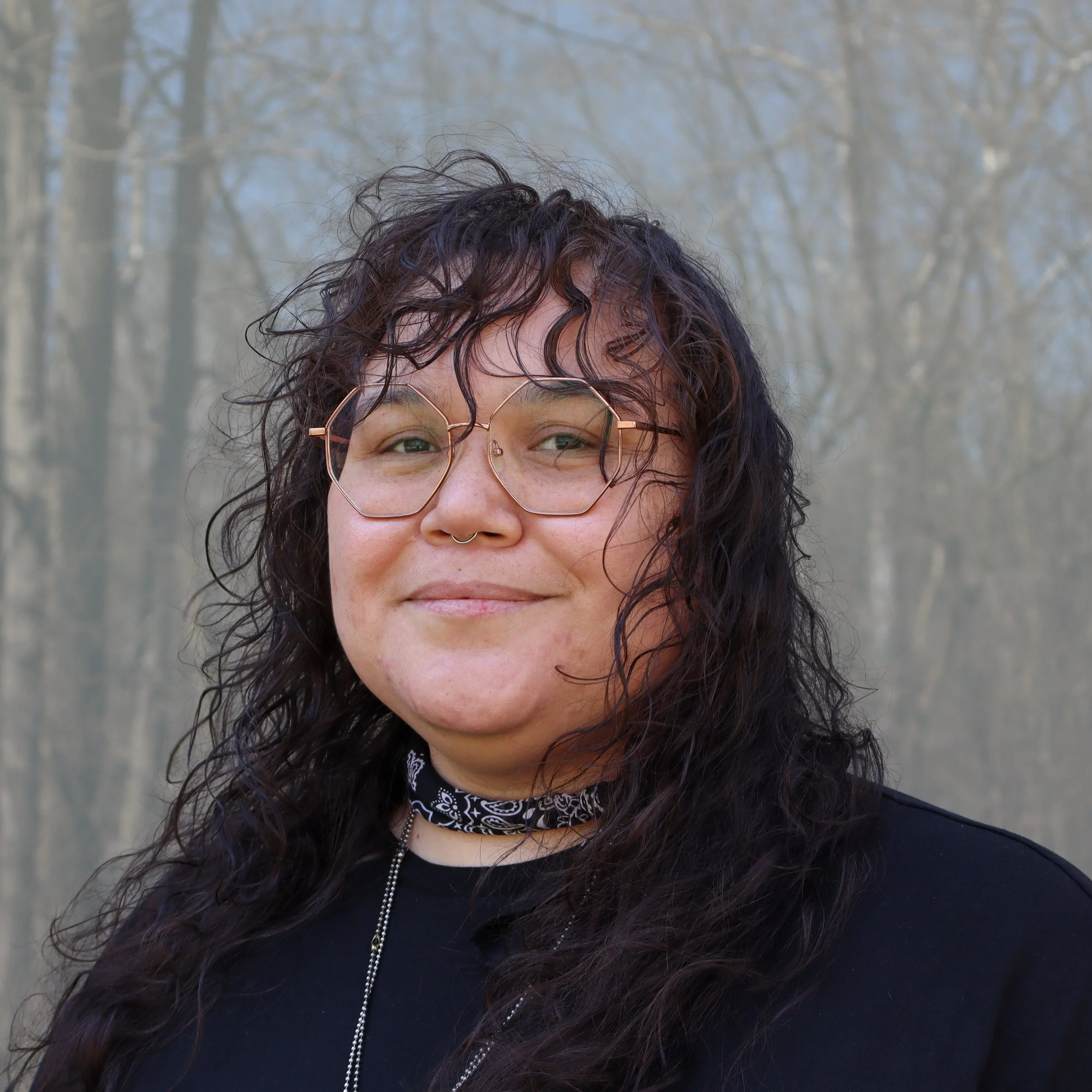
Cassie Packham (Projects Coordinator)
Cassie Packham is an Onyota'a:ka (Oneida) artist born and raised in Mi'kma'ki (Nova Scotia). Her art practice is interdisciplinary and spans the realms of writing, video, sculpture, sound, installation, printed matter and performance. Current interests include the metaverse, specifically Second Life, and the possibilities that exist when AI and the metaverse merge. They are currently a Masters of Fine Arts Candidate in Visual Arts at Western University.
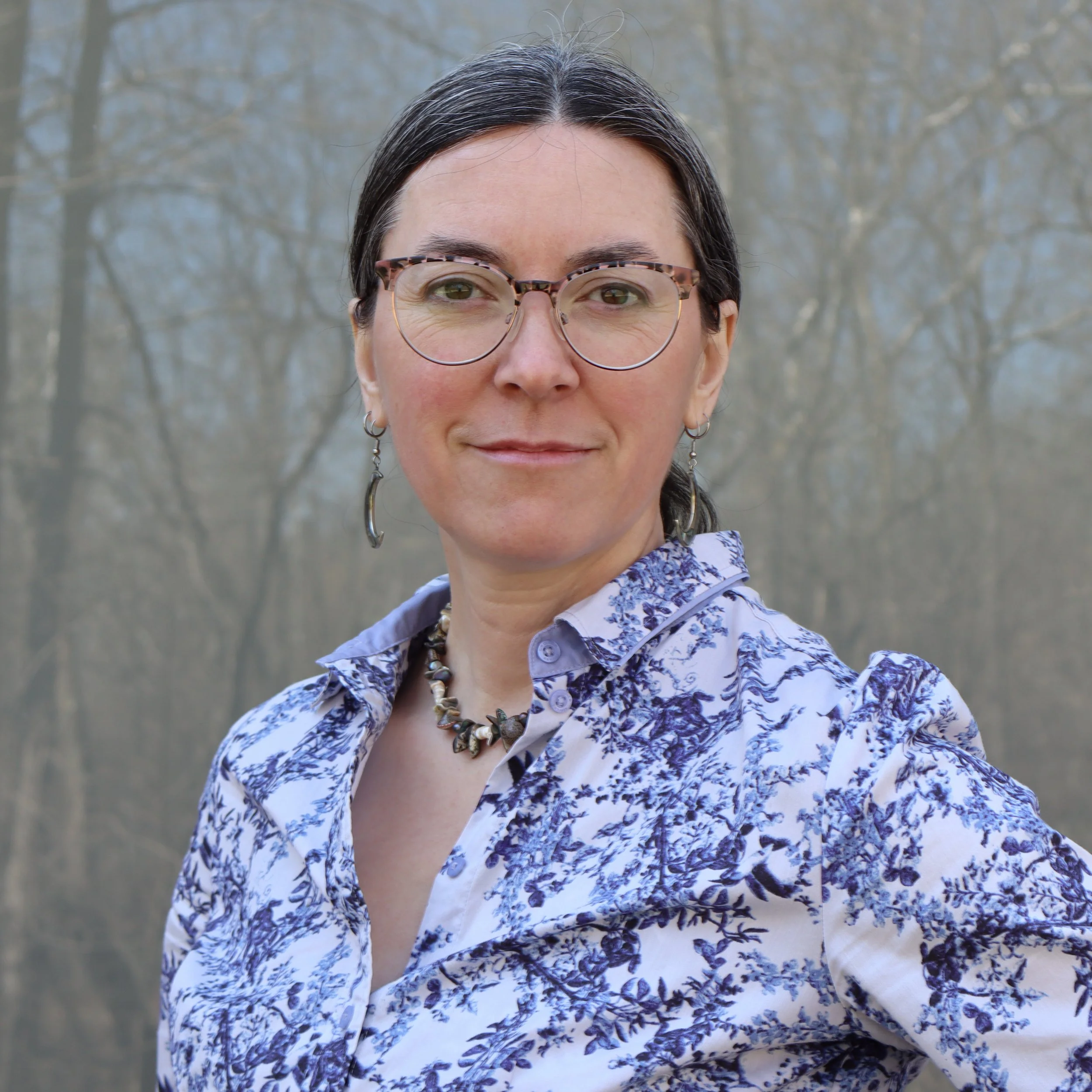
Tanya Doody (Research Director E4Lab)
Tanya Doody is an artist-researcher and Assistant Professor of Studio Art at Western University. Her practice focuses on clay and material engagement to explore how sensory experience generates embodied knowledge. Through research-creation, she investigates how tactile, responsive processes support well-being, connection, and sustainable studio practices. Guided by the Dish with One Spoon Covenant, her approach emphasizes reciprocity, respect, and land-based sustainability. Working with OTEKH Lab, she is co-developing an intelligent pit-fire kiln integrating sensors and AI. She is a collaborator in the Abundant Intelligences network, supporting interdisciplinary research on AI through Indigenous epistemologies as studio supervisor with the Haudenosaunee POD.

Emelie Robertson (Lab Coordinator/ Researcher)
Emelie is the assistant Pod Coordinator at the OTEKH lab and current MFA candidate at Western University. Prior to her studies she worked as an events coordinator at the Northern Life Museum and Cultural Centre, in Fort Smith, Northwest Territories. She’s passionate about engaging with community partnerships and land-based learning and is a practicing painter exploring her relationship to place. She has been awarded grants from the Canada Council for the Arts, the Elizabeth Greenshields Foundation and has exhibited at the Tom Thomson Gallery in Owen Sound, ON, the Visitors Centre Gallery in Yellowknife, NT, and most recently at the Michael Gibson Gallery in London, Ontario. Emelie is originally from Geraldton, Ontario and is Canadian with of French and Scottish heritage.
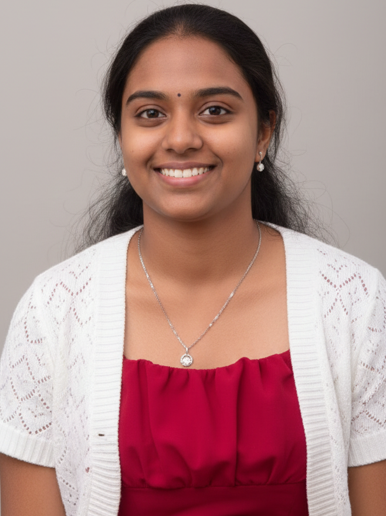
Jaswitha Krovi (Lead Comp Sci. Researcher)
Jaswitha Krovi is a graduate student in Computer Science at Western University with a strong interest in applied machine learning, natural language processing, and data-driven innovation. With a background in software development and AI research, she has contributed to projects in federated learning, LLM-based applications, and real-time analytics. Jaswitha has industry experience as a Programmer Analyst and has supported academic instruction as a Teaching Assistant. Passionate about bridging research and real-world impact, she brings a collaborative mindset, technical expertise, and a drive for continuous learning to every project she takes on.
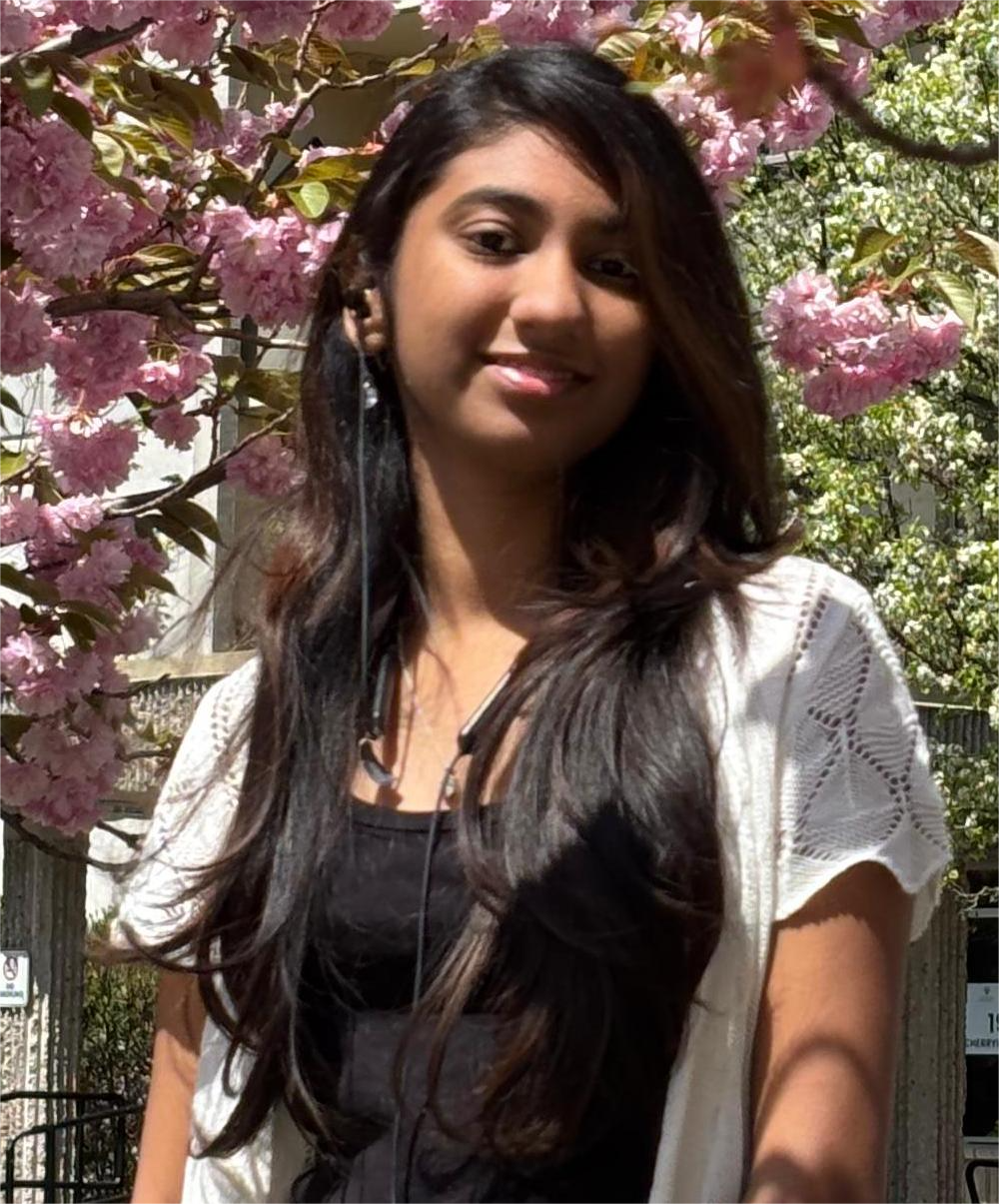
Karunya Srinvasan (Lead Comp Sci. Researcher)
Karunya Srinivasan is a graduate researcher pursuing her Master’s in Computer Science at Western University, specializing in artificial intelligence. Her work spans Natural Language Processing (NLP), Large Language Models (LLM), and predictive modeling. She enjoys working on interdisciplinary projects that combine deep learning, data analysis, and user-centered design. Her recent projects include an intelligent resume-job matching system, an NLP-based customer support chatbot, prompt-driven GenAI agents for intelligent analysis and database querying, and end-to-end machine learning pipelines with explainable AI. Karunya is proficient in Python, PyTorch, TensorFlow, SQL, and Power BI, and is passionate about building ethical, efficient AI systems for real-world applications.
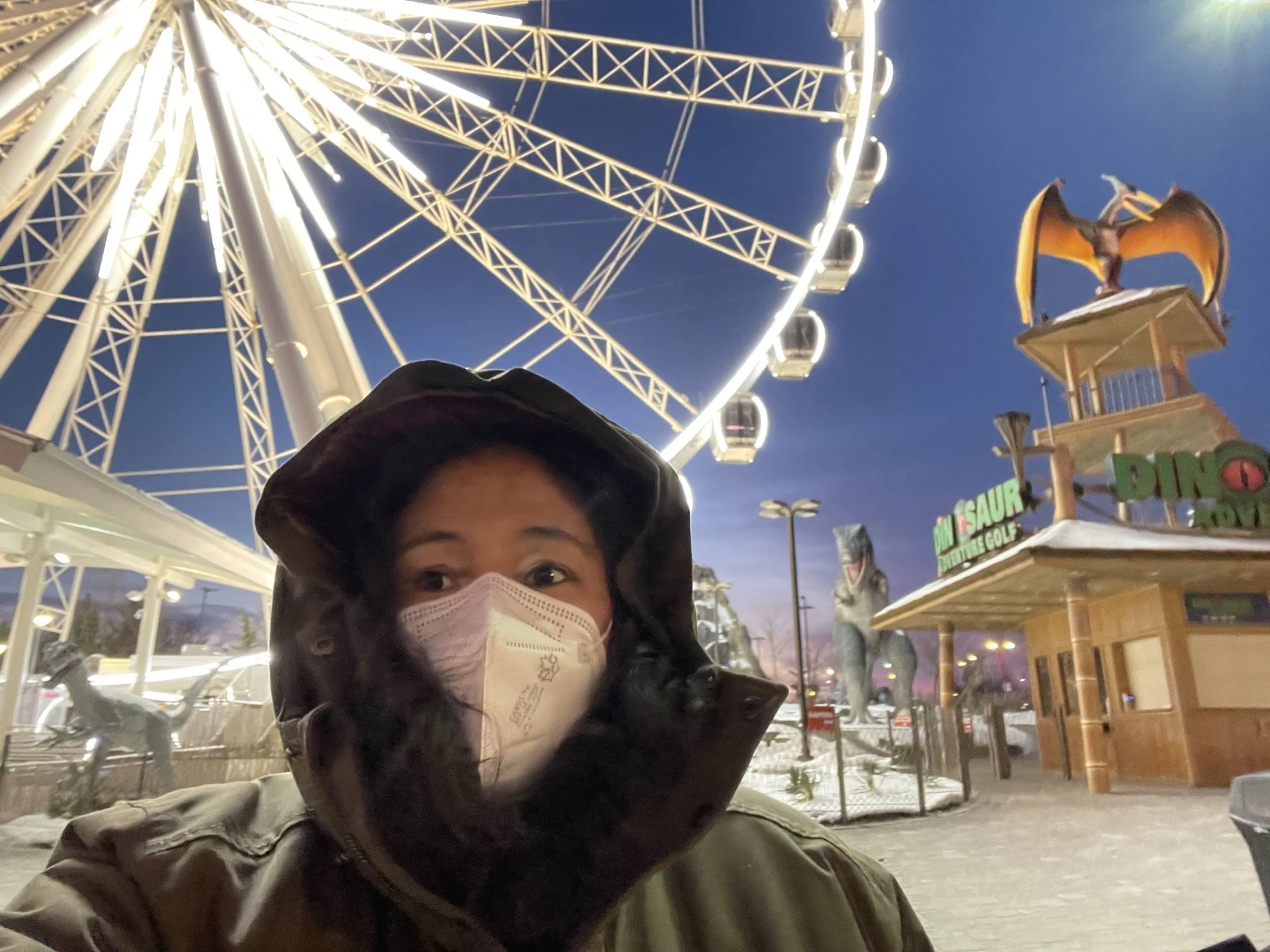
E. Victoria Bomberry (Doctoral Research Fellow)
E. Victoria Bomberry is from the Mohawk Nation, Bear Clan, and is a second-language speaker of Kanien’kehá:ka (Mohawk language) from Six Nations of the Grand River. Victoria is Ísten of one son and Ísta to many nieces and nephews. Victoria is in the second year (of four) of her doctoral studies in the Department of Geography & Environment at Western University. As an Indigenous Health Geographer, Victoria’s research explores the health and well-being of Indigenous urban communities. Her doctoral thesis aims to draw greater attention to the critical and often overlooked work of Indigenous urban leaders advancing Indigenous rights and self-determination in ways that are transforming city landscapes and shaping opportunities for collective health and well-being.

Vidhi Joshi (Senior Comp Sci. and Researcher)
Vidhi Joshi is a fourth-year student at Western University, pursuing a double major in Computer Science and Studio Art/Art History. Her academic interests lie at the intersection of technology, visual culture, and creative expression. She is particularly drawn to the limitless potential for creation in both code and art. Outside of her studies, Vidhi engages deeply with the arts and maintains a strong connection to spiritual practices, often exploring the ways in which they inform and inspire her work. Her research explores concepts that integrate these interests, which is also seen in the research that she participates in at the lab.
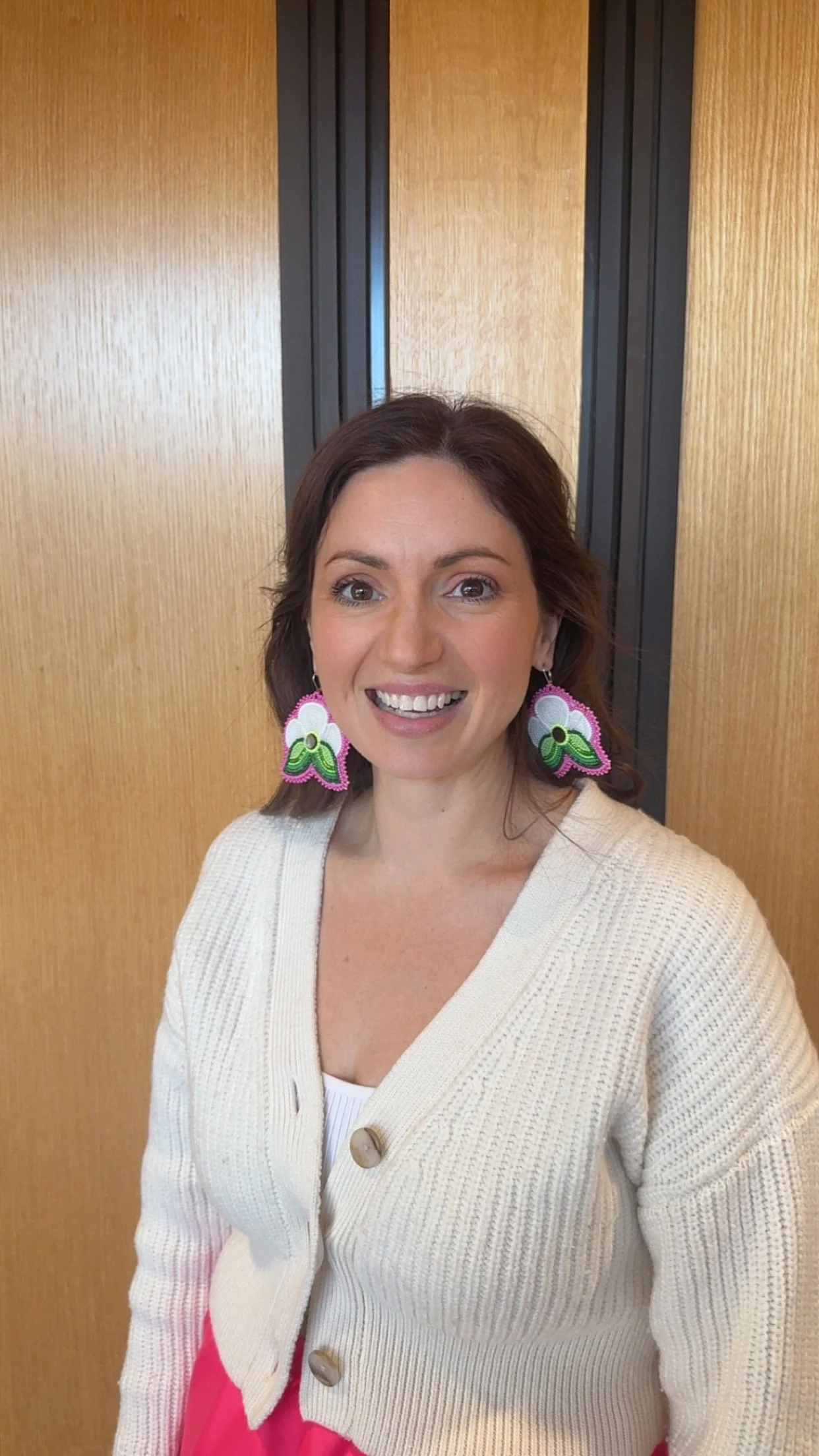
Caitriona Rice (Principal Digital Archivist)
Caitriona Rice is a Michi Saagiig Nishinabe student, researcher, writer and activist of mixed ancestry with Irish, Scottish and Welsch lineages. She a member of Hiawatha First Nation, residing in Deshkan Ziibii territory. Caitriona has a BA in Psychology from Western University. Currently, she is a BSW student at King’s School of Social Work, minoring in Indigenous Studies. Her focus is on decolonization, indigenization, community needs-based development and land-based health and healing. She is involved in many campus programs and initiatives that promote cultural resurgence and support Indigenous student wellness. Caitriona is passionate about co-creating a liveable, sustainable and just future for all.

Venus Doody-Leween (Undergraduate Research Associate)
My name is Venus (It/She) and I am a Mohawk of the Turtle Clan and Two-Spirit individual part of the undergraduate cohort at the Otekh Lab. Using technology such as Blender and Unity, I create complex digital environments and models that can then be transferred to real life interactive experiences. I focus mainly on making our VR, Blender, and Unity projects come together with Indigenous ways of knowing into creative playable experiences.
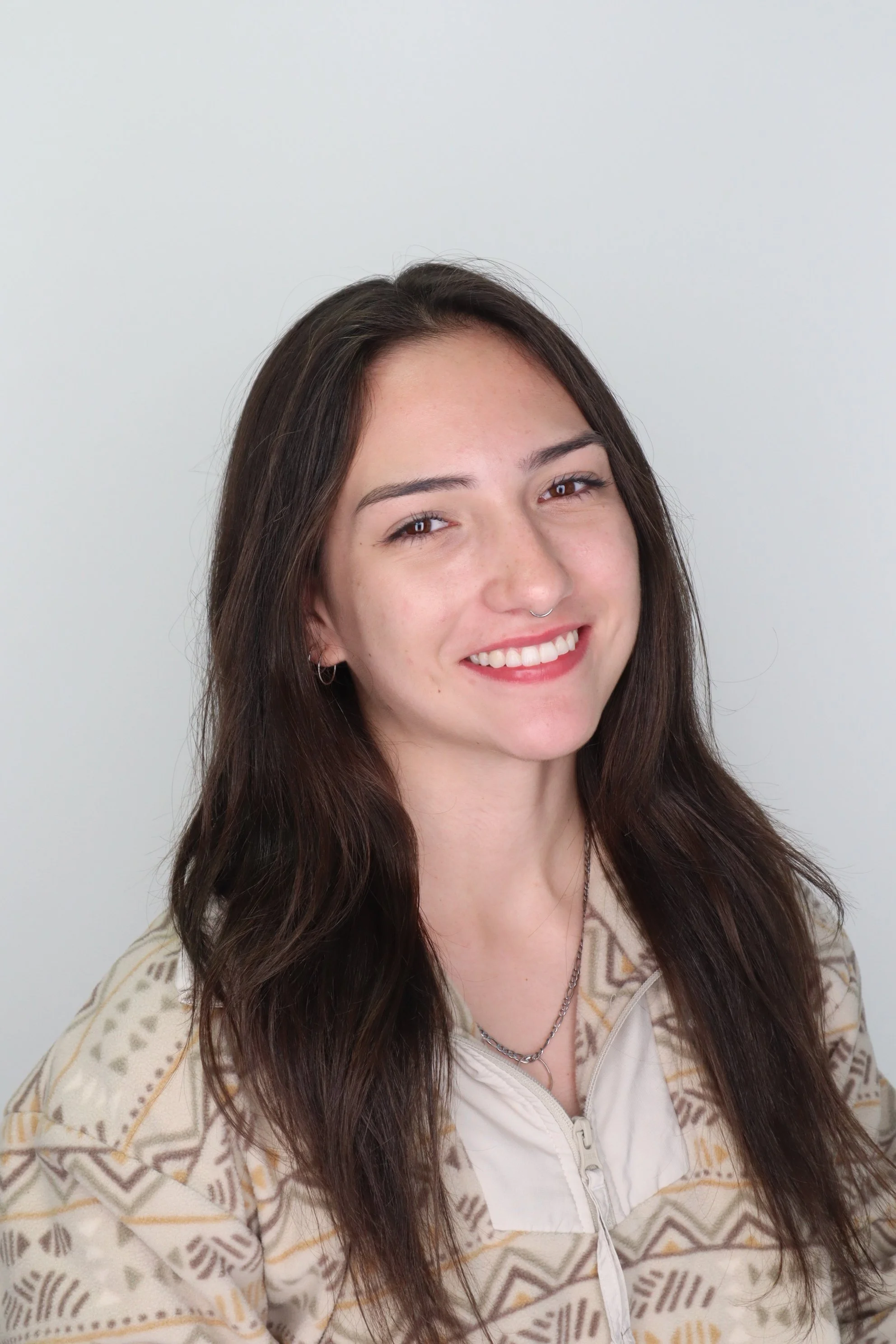
Lexi Alarie (Undergraduate Research Associate)
I am Lexi Alarie, an Ojibwe woman from Red Rock First Nation. I was born in Thunder Bay Ontario, then moved to Timmins Ontario as the job market in my parents’ hometown of Longlac Ontario was scarce. Currently, I am studying a major in English Literature and a minor in Indigenous Studies, with plans to apply to the MLIS program. I find myself invested in the Abundant Intelligences project and their drive for Indigenous language preservation, knowledge keeping, and overall ethics.Currently, I am also an English tutor for Amanda Bragg in the ISC, Environmental Projects Coordinator for ISA, and Youth Leader for Wiidbindiwag “Swessions.” I am also part of Hip Hop Western on the advanced rec team, and Western Ski and Snowboard Club.

Doaa Benaghil (Undergraduate Research Associate)
Doaa Benaghil is a fourth-year Computer Science student at Western University and a Research Assistant at the OTEKH Lab since September 2025. Her work focuses on Indigenous data sovereignty, intellectual property frameworks, and the responsible use of AI technologies. She contributes to research on data governance and IP alignment within the lab and is currently working on computer vision methods for text recognition as part of an AI module under development. With a strong interest in the intersection of technology, law, and artificial intelligence, Doaa is passionate about building ethical, community-centered systems that bridge technical innovation and real-world impact.
Brooke Gibeault (Undergraduate Research Associate)
Brooke Gibeault is a second-year Indigenous student and varsity rower at Western University pursuing an Honours Specialization in Clinical Kinesiology with a minor in Indigenous Studies. Since January 2025, she has held an undergraduate assistantship with the OTEKH Lab. Brooke is passionate about holistic health and wellness, as well as Indigenous empowerment and equity. She values the teachings, perspectives, and relationships she has gained through her academic and research experiences, which continue to shape her approach to healthcare.